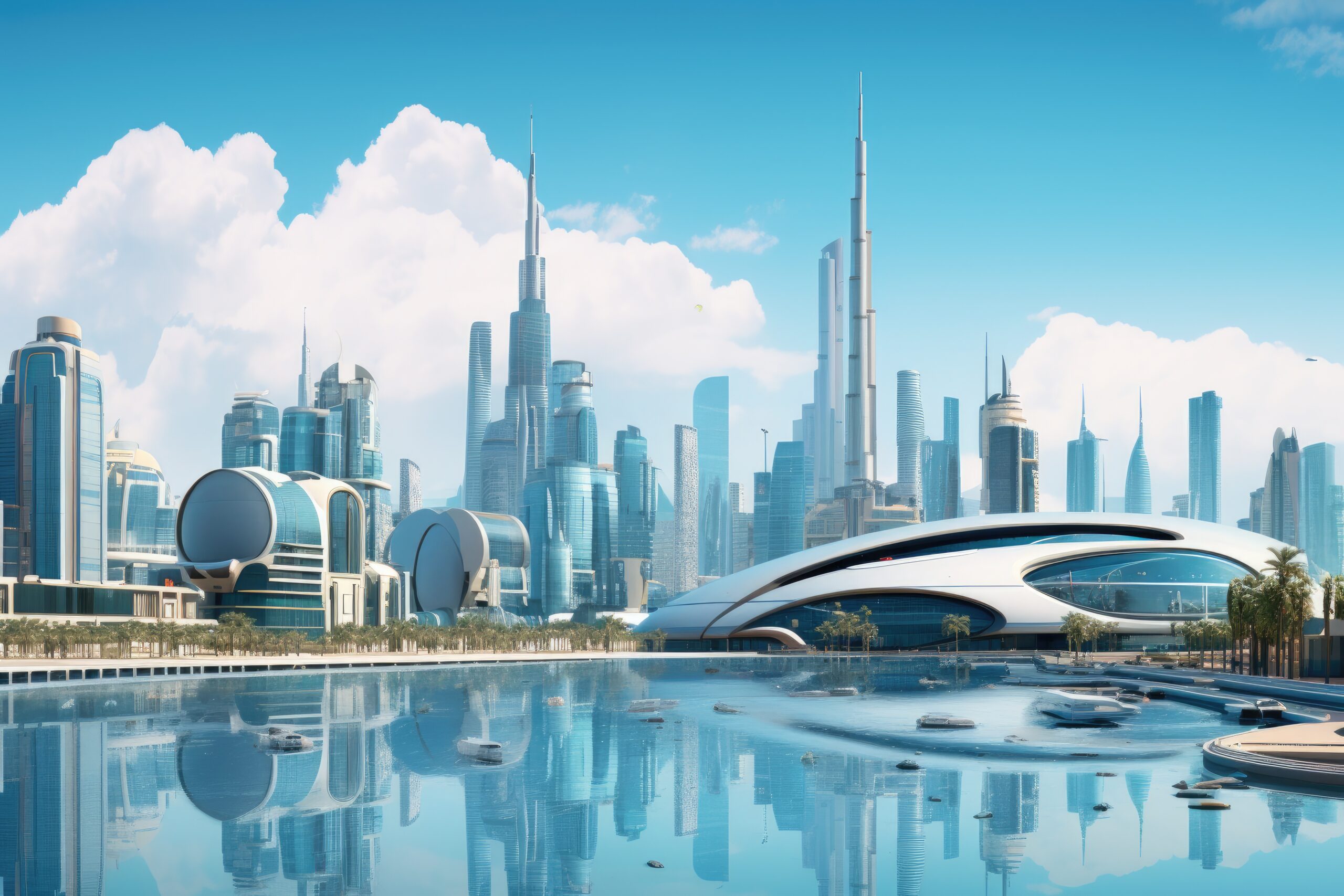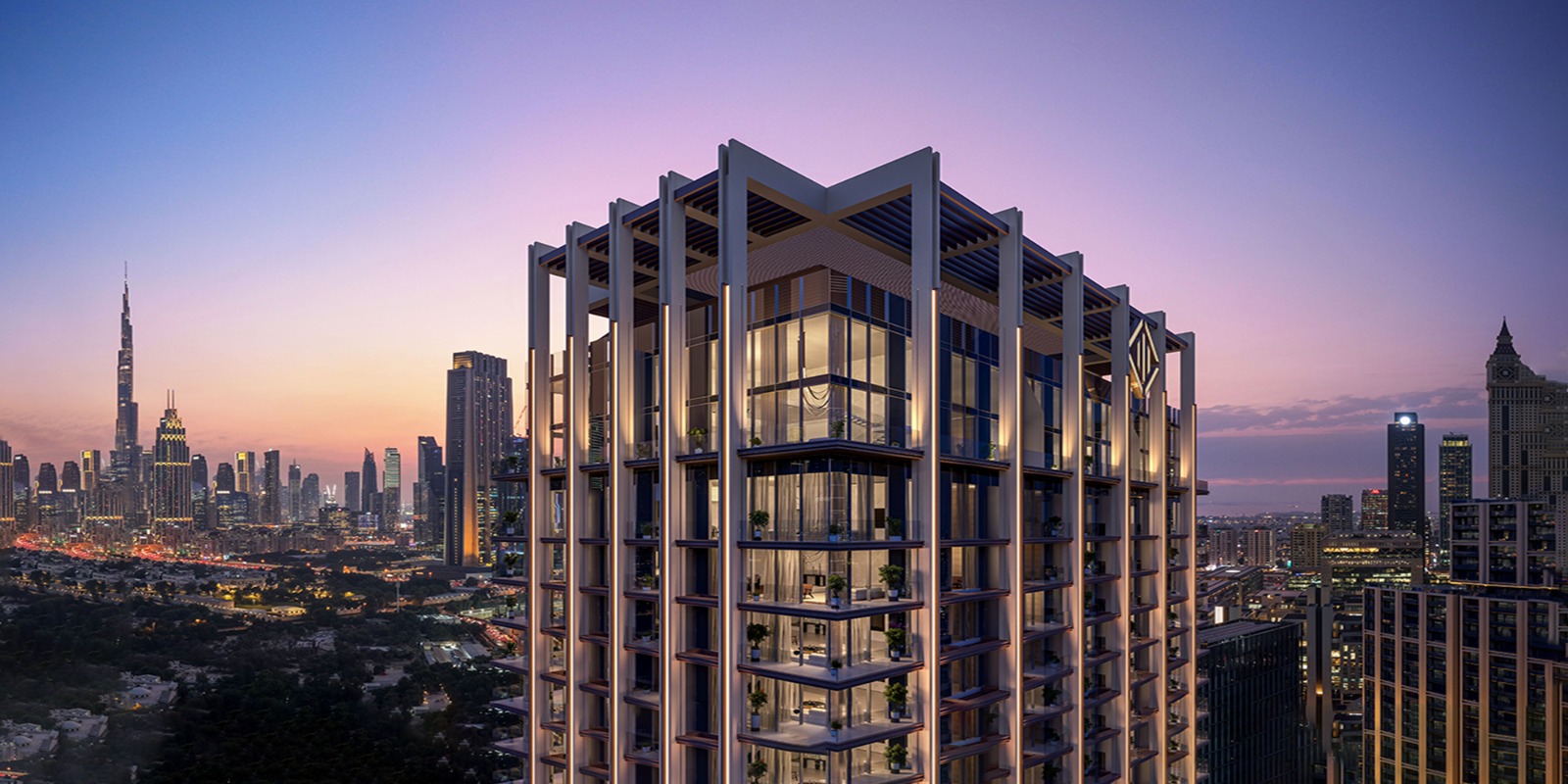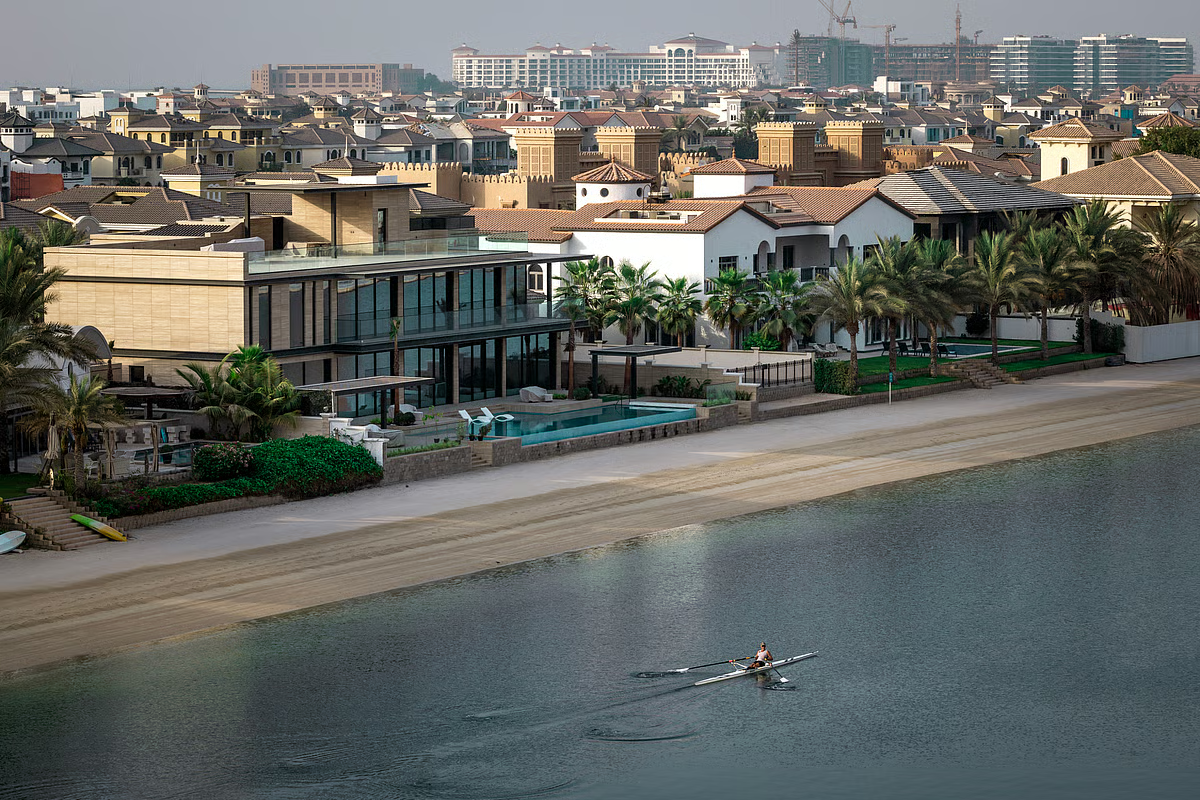

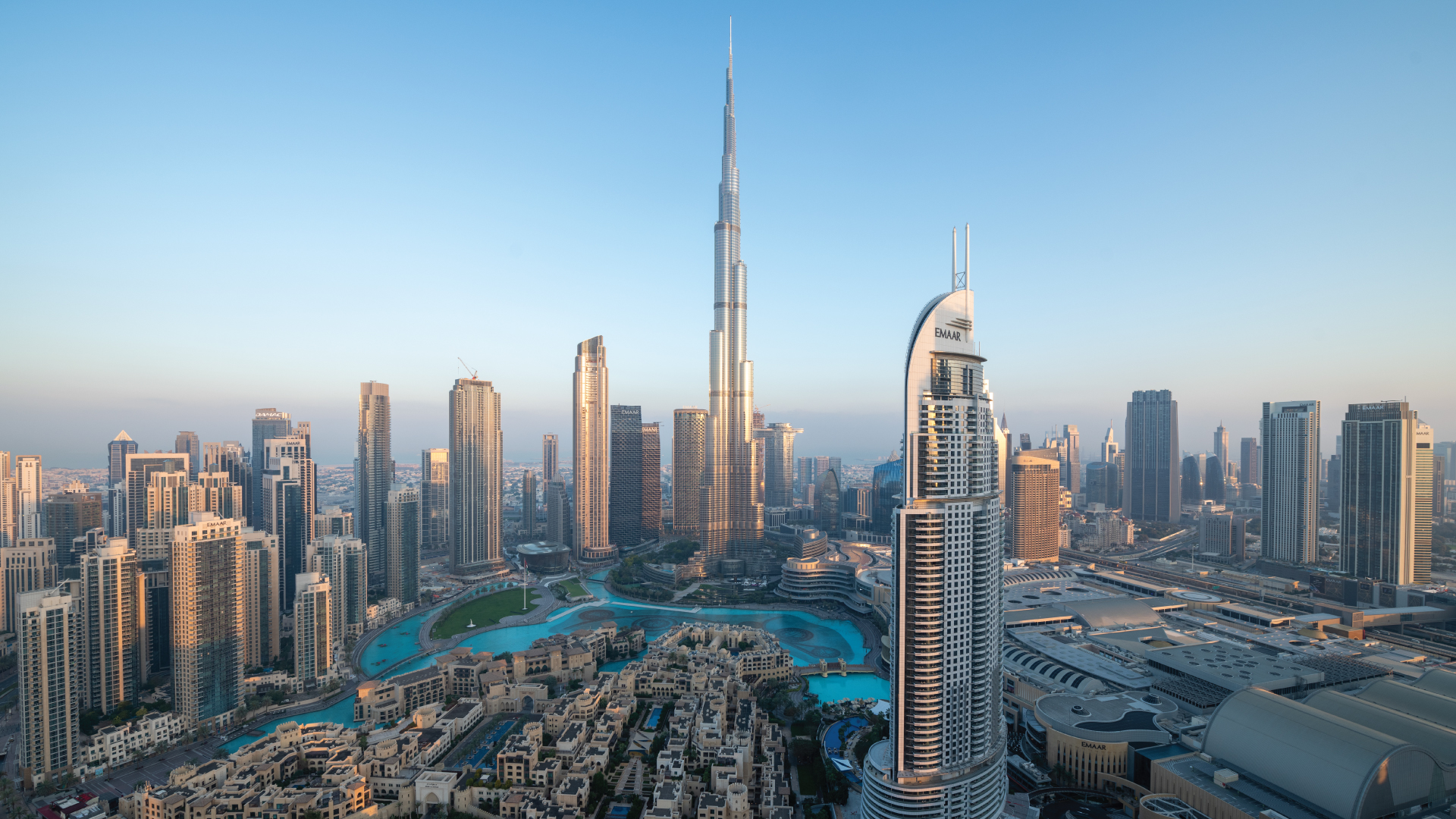

Dubai’s property sector has entered a new phase of expansion, driven by the long-term impact of Expo 2020 Dubai and the transformation of its site into Expo City Dubai. The narrative around Post-Expo Dubai Real Estate Trends is no longer about short-term excitement. It is about structural growth, record-breaking transactions, and a shift toward sustainable urban development.
Industry analysts describe the Expo period as a turning point. The six-month global event created immediate spikes in sales and rentals. However, its true impact became visible after 2022, as large-scale infrastructure and policy reforms supported long-term confidence. Today, the Post-Expo Dubai Real Estate Trends story is closely linked to innovation, connectivity, and investor stability.
The former Expo site has evolved into a mixed-use “15-minute city,” offering residential, commercial, and research spaces within walking distance of one another. Expo City Dubai now attracts investors seeking luxury villas, townhouses, and smart apartments, supported by advanced infrastructure and direct Metro access.
Developments such as Expo Valley highlight a growing focus on eco-conscious, low-density living. Green building standards and smart city technologies are no longer optional features. They have become key selling points. This shift defines the new Post-Expo Dubai Real Estate Trends, where sustainability and technology shape buyer decisions.
Market observers also note that Expo-driven demand encouraged developers to rethink urban planning. Residential clusters now integrate retail, education, and office components into a single environment. This model supports long-term community growth rather than speculative buying.
The numbers underline the scale of change. By 2026, total transaction volumes reached AED 682.5 billion, with 214,912 recorded deals. This represents a 19 percent increase in volume compared to 2024 levels. Earlier data also showed strong performance, with 2024 transactions reaching AED 760.99 billion, up more than 20 percent year-on-year.
In 2025 alone, primary-market sales stood at AED 448 billion, while secondary-market transactions reached AED 238.8 billion. Primary prices increased by 6.7 percent to around AED 1,700 per square foot. Secondary-market prices climbed by 11.2 percent, reflecting strong demand for ready properties.
These figures frequently dominate UAE property news and reinforce confidence among both regional and international buyers. According to industry experts, the consistency of growth suggests that the current expansion cycle differs from previous speculative booms.
Unlike earlier cycles driven by short-term investors, current activity reflects end-user confidence. Families, long-term residents, and global professionals are entering the market, encouraged by residency reforms and golden visa policies.
Foreign buyers accounted for 45 percent of total purchases in 2023, compared to 32 percent in 2019. Investors from Europe, Asia, and North America have expanded their presence. This international interest is often highlighted in UAE Real Estate news as a sign of global trust in Dubai’s regulatory framework.
Rental yields remain attractive. By the end of 2025, average gross yields reached nearly 7 percent for apartments and about 5 percent for villas. Population growth and limited supply in established districts continue to support rental stability.
Beyond Expo City, nearby districts are gaining attention. Dubai South has become a high-potential area due to its proximity to Al Maktoum International Airport and expanding logistics infrastructure. Entry prices remain relatively competitive, offering strong prospects for capital appreciation.
Jumeirah Village Circle continues to attract investors seeking reliable rental yields. Meanwhile, Dubai Creek Harbour is positioning itself as a premium waterfront destination with long-term growth potential.
Large-scale transport projects such as Etihad Rail are expected to create property price premiums of 5 to 20 percent in areas near new transit nodes. Infrastructure development remains a key driver in the Dubai real estate market trends and strengthens long-term valuation forecasts.
While residential growth remains strong, the office and retail sectors show a more complex picture. According to spglobal.com, the Expo period boosted commercial and retail leasing activity. However, vacancy levels and rental pressure remain significant in certain submarkets, and the recovery across the sector is uneven.
This assessment reflects broader UAE real estate market trends, where residential and mixed-use assets outperform traditional office spaces. Analysts also compare the situation with GCC real estate market trends, noting that Dubai’s diversification strategy offers relative resilience compared to other regional hubs.
Even so, developers are adjusting strategies. Flexible workspaces, innovation centers, and research facilities are becoming more common within mixed-use communities, especially around Expo City.
Conclusion
Industry projections indicate that property prices in key areas could increase by 15-25 percent over the next five years. Strong buyer confidence, infrastructure expansion, and sustainable planning continue to shape the outlook.
The latest UAE real estate market report highlights Dubai’s ability to attract global capital while maintaining regulatory transparency. Analysts argue that the market’s maturity, combined with continued government investment, supports long-term stability.
As 2026 approaches, the impact of the Expo legacy remains visible across multiple sectors. The evolution of Expo City, record transaction values, and the rise of new growth corridors all define the next chapter of Post-Expo Dubai Real Estate Trends. The data suggests that this transformation is not temporary. It represents a structural shift in how Dubai’s property market operates and competes on the global stage.