

Dubai’s suburban real estate market is witnessing a noticeable shift, as families increasingly prioritize space, safety, and sustainability. According to recent UAE property news, developers and buyers alike are adapting to evolving preferences, with gated communities and eco-conscious designs gaining momentum. Analysts suggest that this change is not just a passing trend but a defining feature of the market for the coming years.
One of the most significant factors shaping Family Homes Trends in Dubai Suburbs is the growing demand for environmentally responsible housing. Eco-conscious buyers are seeking villas and townhouses with energy-efficient systems, smart cooling technologies, and green certifications. Communities like Dubai Hills Estate and Arabian Ranches now incorporate sustainable features, from solar panels to landscaped green walkways. UAE Real Estate news highlights that these sustainability measures are increasingly influencing both purchase and rental decisions, marking a shift from traditional suburban planning to climate-resilient development.
Suburban neighborhoods are transforming into self-contained ecosystems that blend living, working, and leisure spaces. The appeal of having co-working areas, cafes, and essential services within walking distance has surged, particularly in mid-market locations such as Jumeirah Village Circle and Town Square. The integration of these amenities supports a family-oriented lifestyle while reducing reliance on city commuting. This evolution aligns with broader Dubai real estate market trends that emphasize convenience and quality of life for long-term residents.
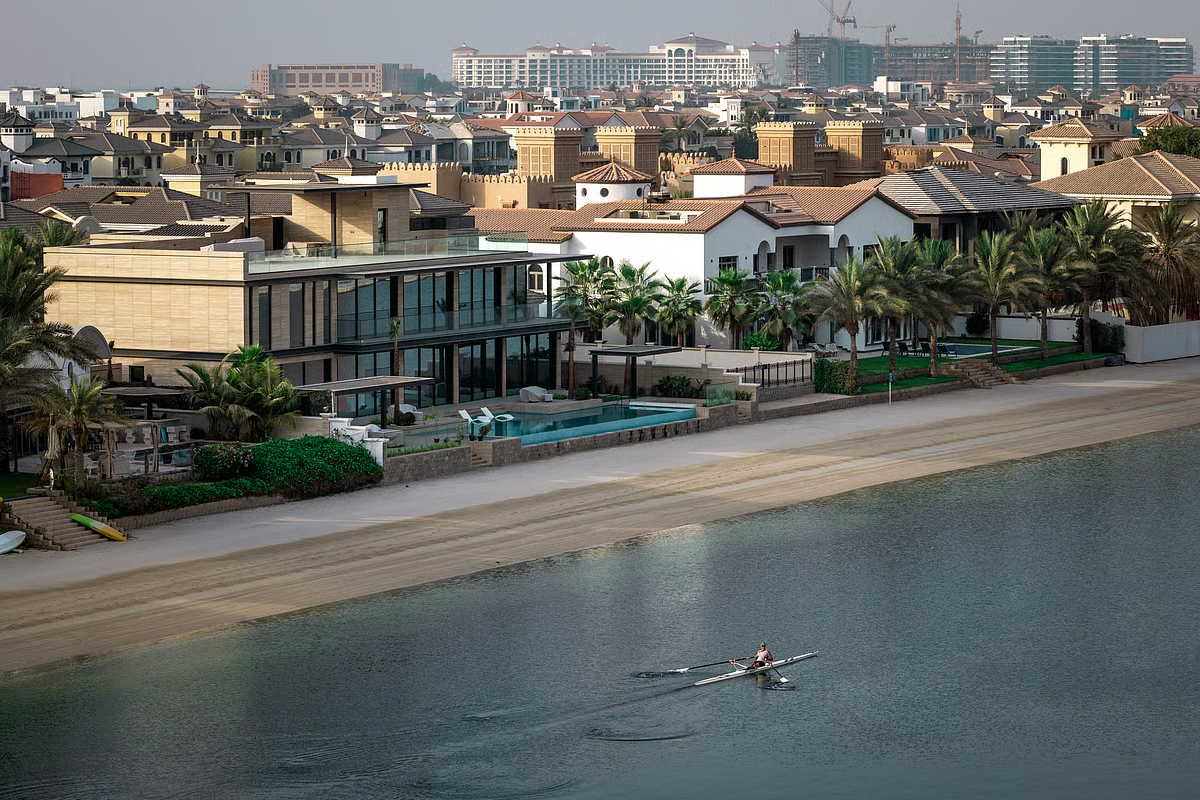
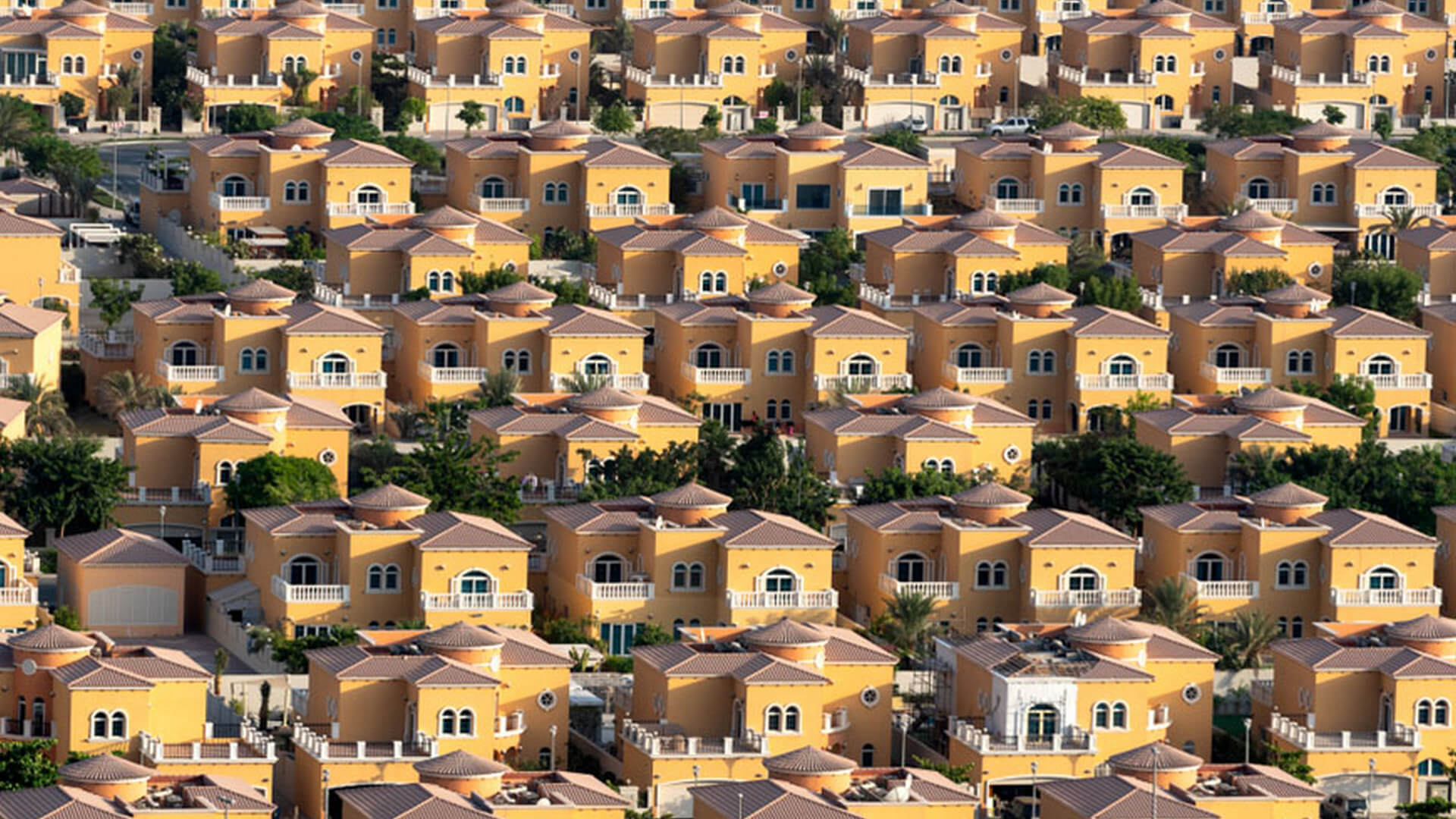
Recent data show a strong preference for spacious homes with three to five bedrooms, offering multi-generational flexibility and space for home offices or study areas. Gated communities such as The Springs and Al Furjan are particularly attractive due to enhanced security, privacy, and generous layouts. The shift from city apartments to suburban family homes is evident, with end-user demand driving growth rather than speculative investment. According to a UAE real estate market report, villa supply remains limited in key areas, pushing prices higher and reinforcing the suburbs’ appeal to buyers seeking long-term ownership.
Proximity to reputable schools, healthcare, and recreational amenities remains a decisive factor for families. Cycling paths, meditation decks, and wellness-focused designs have become standard expectations in modern suburban projects. GCC real estate market trends indicate that communities with strong family-friendly infrastructures outperform urban districts in attracting homebuyers, reinforcing the importance of community-first planning in future developments.
Premium suburbs like Arabian Ranches and Dubai Hills Estate continue to attract affluent buyers, while established areas such as Mirdif maintain popularity for traditional villa layouts. Emerging neighborhoods, including Dubai South and Arjan, are experiencing notable off-plan demand, offering potential rental yields of 6–7 %, making them attractive for both end-users and investors. The overall trajectory suggests that Family Homes Trends in Dubai Suburbs will continue to favor larger, sustainable, and well-connected communities in 2026.
Conclusion
Family Homes Trends in Dubai Suburbs highlight a market focused on sustainability, safety, and family-oriented amenities. With gated estates, green technologies, and integrated community services becoming the norm, Dubai’s suburban neighborhoods are poised to outperform urban cores. The ongoing evolution of housing preferences reflects broader shifts in the UAE real estate market, emphasizing long-term value and quality of life for families.