


Dubai’s property market is performing steadily, with rental yields across neighborhoods continuing to attract investors. Dubai Rental Yield Trends by Neighborhood highlight which areas offer strong returns and which are better suited for long-term capital growth.
“The average gross rental yield for Dubai stayed around 6.7 % in both 2025 and early 2026,” reported mieyaruae.com. Apartments generally outperform villas, with apartment yields slightly above 7 %, while villa yields hover near 5 %. This data provides investors with a clear benchmark for evaluating potential returns in the city.
Certain mid-market areas continue to deliver strong rental performance. Dubai Rental Yield Trends by Neighborhood show that neighborhoods such as International City and Dubai Investments Park (DIP) lead the market for short-term rentals, with yields ranging from 8 % to 10 %. Discovery Gardens, Dubai Silicon Oasis, and Jumeirah Village Circle (JVC) also offer competitive yields between 6.7 % and 8.1 %, depending on the property type.
Short-term rentals typically add 2–3 percentage points to long-term yields, making these areas attractive for investors seeking faster returns. Analysts in UAE property news emphasize that high occupancy rates and affordable purchase prices help maintain their appeal.
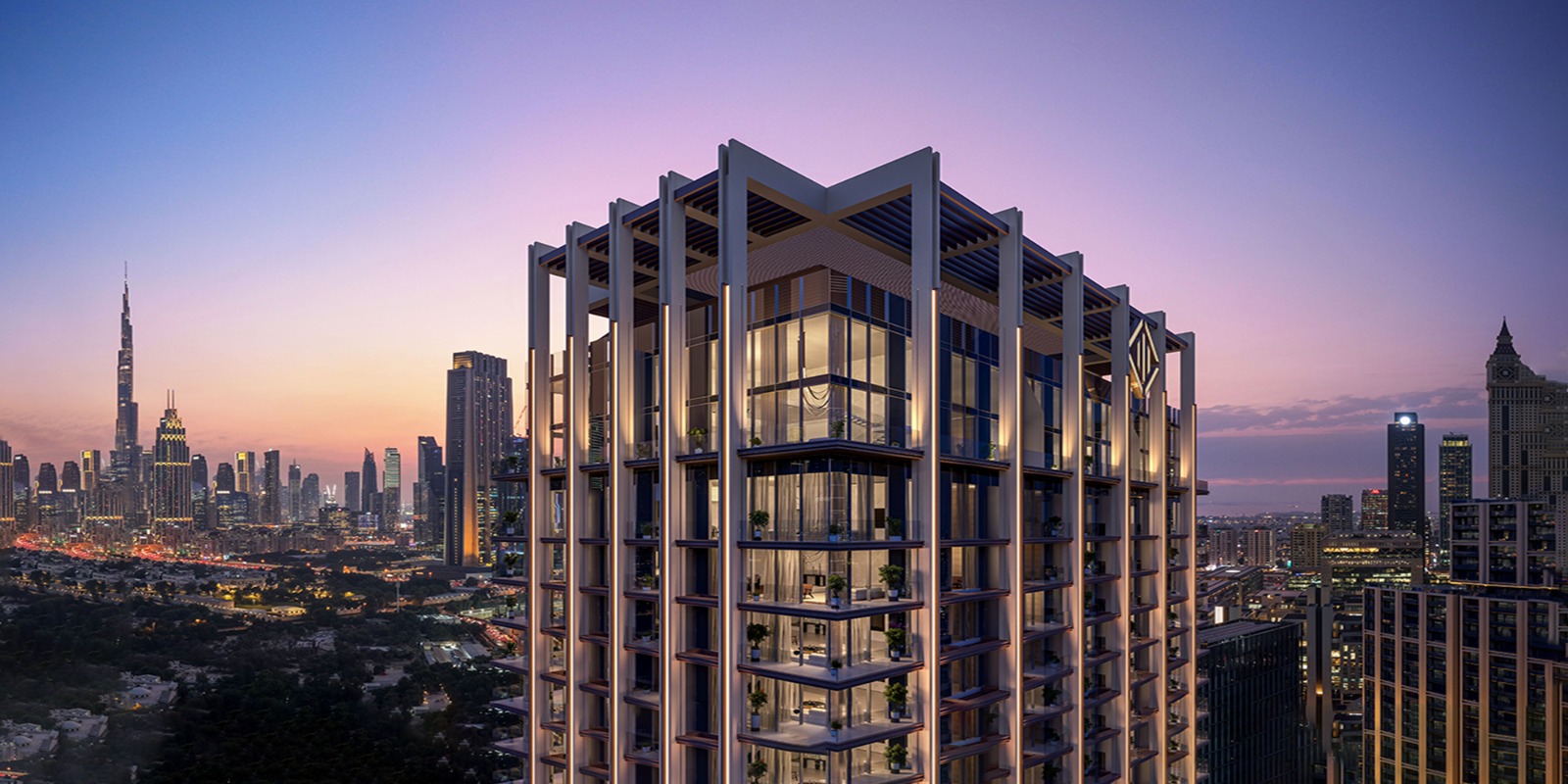
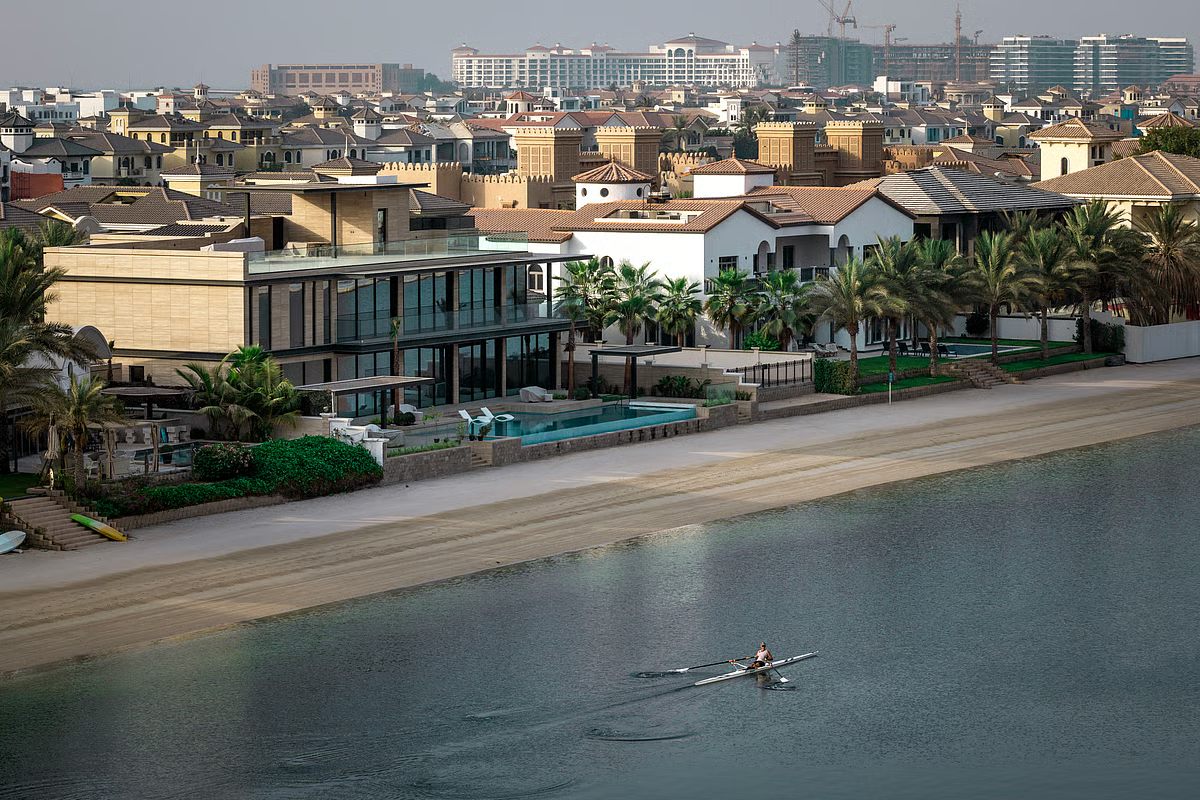
Premium neighborhoods such as Palm Jumeirah, Downtown Dubai, City Walk, and Emirates Hills continue to deliver rental yields of around 3–5 % in 2026. Dubai Rental Yield Trends by Neighborhood confirm that high purchase prices in these areas outpace rent growth, making them more suitable for long-term capital appreciation rather than immediate cash flow.
Despite lower rental yields, these districts remain highly sought after for their luxury amenities and prestige. Reports in UAE Real Estate news highlight that while cash returns are limited, long-term value growth is promising.
From 2025 to 2026, the gap between the highest- and lowest-yield neighborhoods stayed around 4–5 percentage points. High-yield, affordable districts maintained leadership in rental performance, with only minor short-term yield declines as the market matured. Investors should focus on mid-market hubs like International City, DIP, Discovery Gardens, Dubai Silicon Oasis, and JVC for strong cash-flow returns—expecting 8–10 % for short-term and 6–8 % for long-term rentals.
Luxury zones, by contrast, are ideal for capital appreciation rather than yield. Recognizing Dubai Rental Yield Trends by Neighborhood helps investors make informed choices in the evolving UAE property market.
Conclusion
Early 2026 data confirms that Dubai’s rental market offers a consistent city-wide performance. Mid-market neighborhoods provide the best rental returns, while prime luxury districts remain attractive for long-term value growth. For investors tracking Dubai Rental Yield Trends by Neighborhood, understanding this distinction is key to a successful investment strategy.