


The first quarter of 2026 confirms that Dubai’s property sector is entering a more balanced and mature phase. After two years of strong double-digit growth, the market is stabilizing while maintaining high transaction levels and solid investor confidence.
This review of Dubai Real Estate Market Trends in Q1 2026 highlights record activity, moderated price growth, strong off-plan performance, and a shift toward quality-driven demand.
According to 800homes.ae, the first quarter of 2026 recorded approximately 54,000 real estate transactions worth AED 134.6 billion, marking a 15% year-on-year increase.
January alone registered 17,457 deals totaling AED 72.5 billion in sales value, up nearly 62% compared to January 2025. These figures reflect strong liquidity and sustained buyer interest across both ready and off-plan segments.
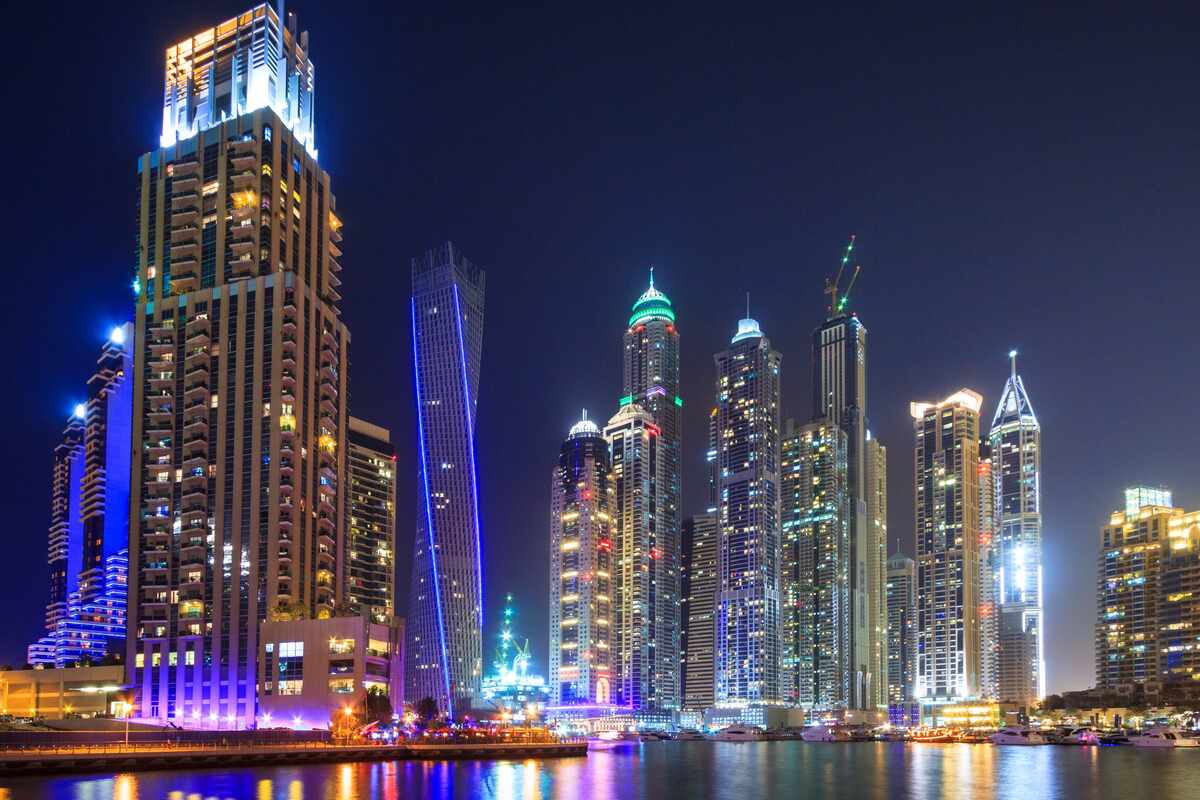
Recent UAE property news coverage confirms that Dubai continues to lead regional activity levels, supported by investor demand, business expansion, and population growth.
Transaction momentum remains one of the strongest trends in the Dubai real estate market at the start of 2026.
While prices are still increasing, the pace of appreciation is moderating compared to previous years.
Between 2024 and 2026, apartment prices rose by approximately 15.2%, while villa prices increased by approximately 17.8%. For 2026, overall residential price growth is expected to reach about 10%, lower than the rapid double-digit gains seen in earlier cycles.
This shift suggests that the market is transitioning from rapid expansion to a more sustainable pattern. Buyers are focusing more on fundamentals such as location, build quality, developer reputation, and long-term rental yield.
According to the latest UAE real estate market report, this moderation is seen as a positive sign. It reduces speculative activity and supports long-term stability.
Off-plan developments remain a major driver of sales activity. More than 80% of the upcoming supply pipeline consists of off-plan projects, and in 2025, they accounted for 62.6% of total residential transactions.
In January 2026, primary market sales values surged by 128% year-on-year, while transaction volumes increased by 42%. Flexible payment plans, attractive launch prices, and new master-planned communities continue to attract both investors and end-users.
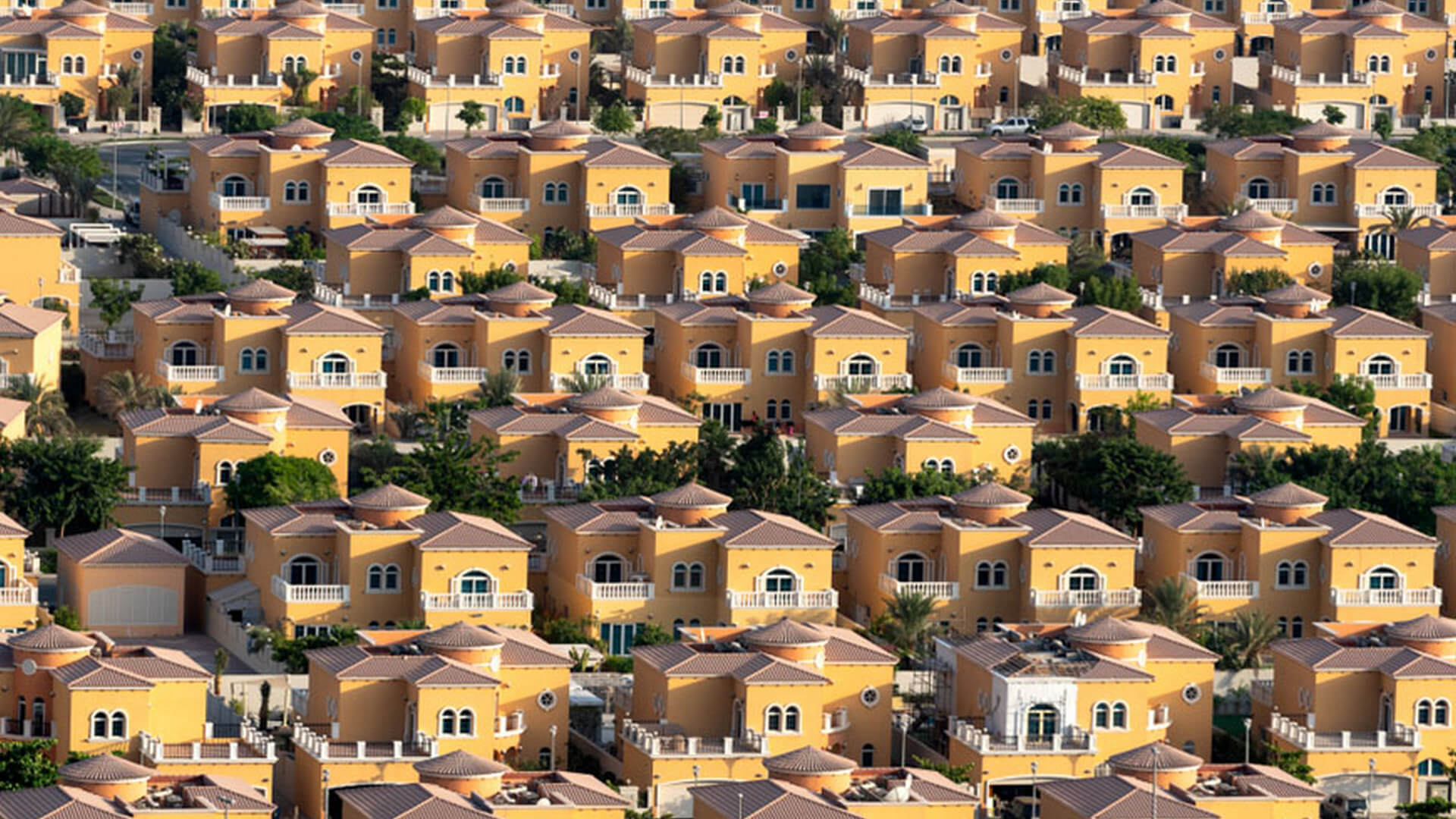
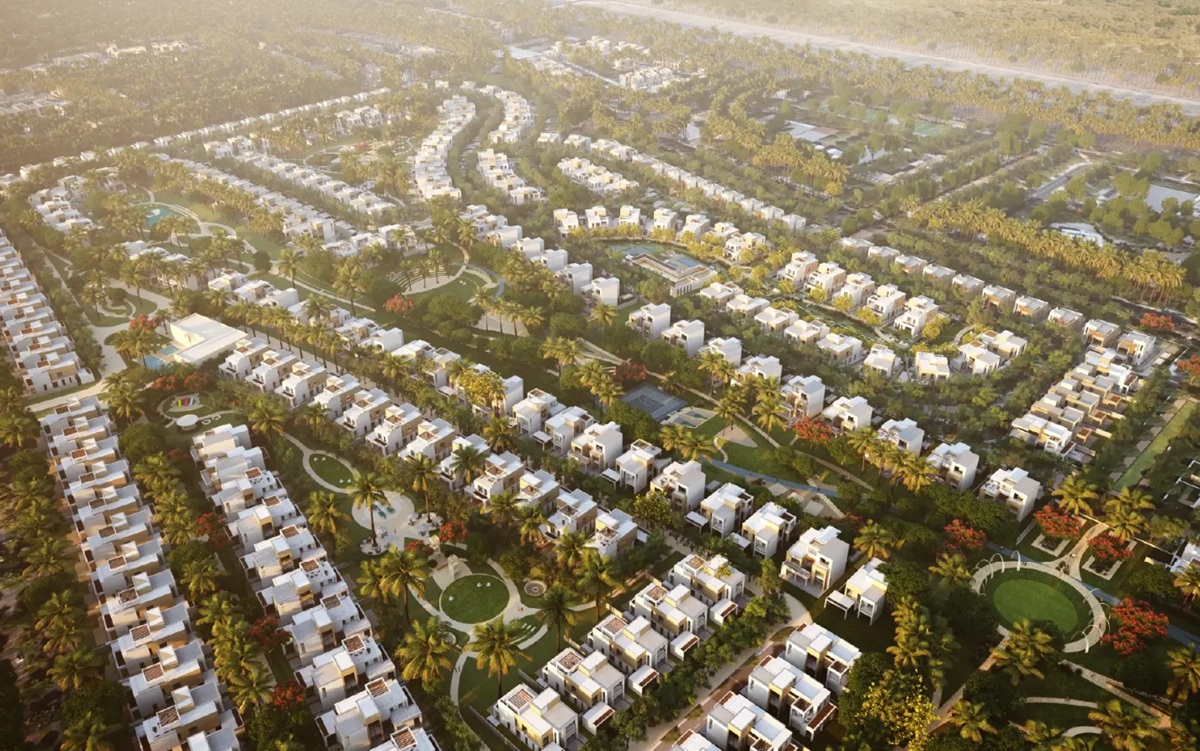
High-demand communities include established districts as well as emerging developments such as Emaar South, The Valley, and DAMAC Hills 2. These areas are popular due to integrated amenities, green spaces, and family-oriented layouts.
Among current Dubai Real Estate Market Trends, the preference for newly launched projects with structured payment schedules remains clear.
Dubai’s rental market continues to perform strongly, offering competitive yields compared to other regional markets.
The average rental yield across the city is 6.76%, with apartments yielding around 7.07%. Villa rents increased by 8.6% year-on-year, reaching approximately AED 190,000 annually.
These returns compare favorably with trends in the UAE real estate market and, by extension, the broader GCC real estate market, reinforcing Dubai’s position as a regional investment hub.
Strong rental performance supports investor confidence, especially among buyers focused on income-producing assets.
A notable feature of Dubai Real Estate Market Trends in Q1 2026 is the dominance of cash transactions.
Approximately 87% of property purchases are completed without mortgage financing. On average, cash buyers negotiate discounts of around 4% from the listed price.
This reflects high liquidity levels and strong international investor participation. At the same time, end-user activity is increasing. As discussed in our internal coverage on “UAE Property Market Sees Surge in First-Time Buyers as Long-Term Renters Turn Homeowners,” many tenants are now choosing ownership due to stable pricing and flexible payment structures.
Mortgage-backed transactions account for a smaller but growing share of the market, indicating gradual normalization and deeper market maturity.
Approximately 120,000 new residential units are scheduled for completion in 2026, of which around 81% are apartments.
However, actual handovers are expected to trail behind launch volumes. While developers continue to announce new projects, delivery timelines may extend over multiple years.
Some analysts warn of possible short-term oversupply in certain mid-range apartment segments. However, ongoing population growth and economic expansion are expected to support long-term absorption.
UAE Real Estate news reports also highlight the strong performance of Dubai’s commercial and tourism sectors, which indirectly support housing demand.
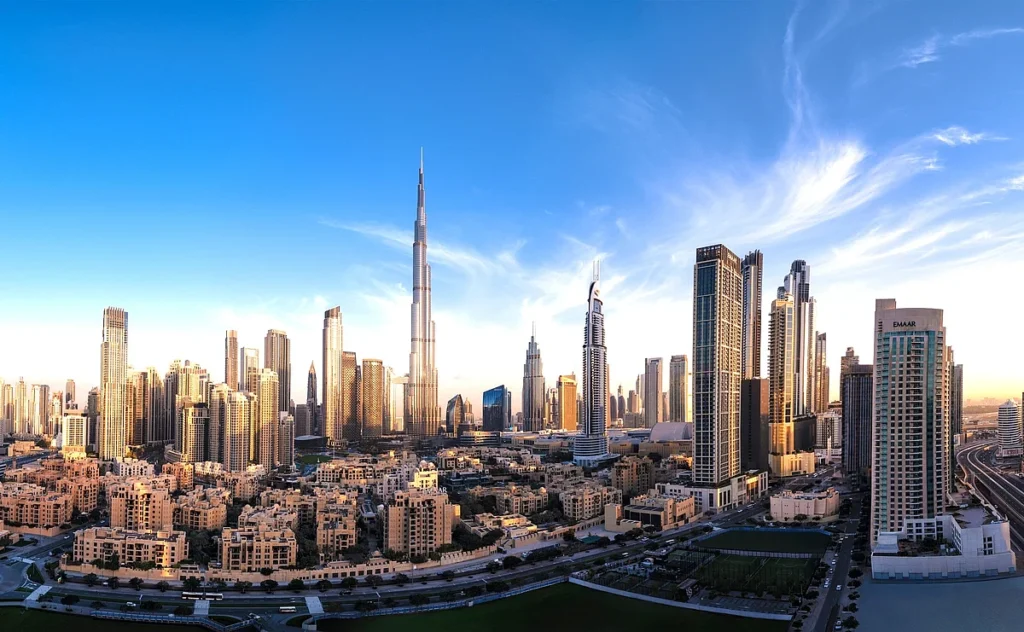
Following a momentum-driven 2025, Dubai Real Estate Market Trends in 2026 show a clear shift toward fundamentals-led performance.
Buyers are becoming more selective. There is a greater focus on low-density living, prime locations, and high construction standards. Ultra-luxury properties and well-located assets remain resilient due to limited supply.
Forecasts indicate steady quarter-on-quarter growth rather than rapid price spikes. This reflects a healthier balance between supply and demand.
Dubai’s property sector appears stable and resilient as it moves further into 2026.
Transaction volumes remain elevated. Rental yields are competitive. Price growth continues at a sustainable pace. Cash liquidity remains strong, while end-user participation is gradually increasing.
Overall, Dubai Real Estate Market Trends in Q1 2026 indicate a market evolving toward maturity. Growth is still present, but it is increasingly supported by real demand, long-term planning, and strategic investment decisions.
For investors, developers, and homebuyers, this environment presents structured opportunities grounded in fundamentals rather than short-term speculation.