

Dubai’s high-end property sector continues to expand at a steady pace, with villas and penthouses leading performance charts across prime districts. The latest data on Dubai Luxury Market Trends shows that demand remains strong for waterfront and branded developments, especially as global investors seek stable, secure assets in the region.
Industry observers tracking UAE property news and UAE Real Estate news confirm that luxury buyers are prioritizing privacy, space, and exclusivity over sheer centrality. This shift has placed villas and premium penthouses at the center of current activity.
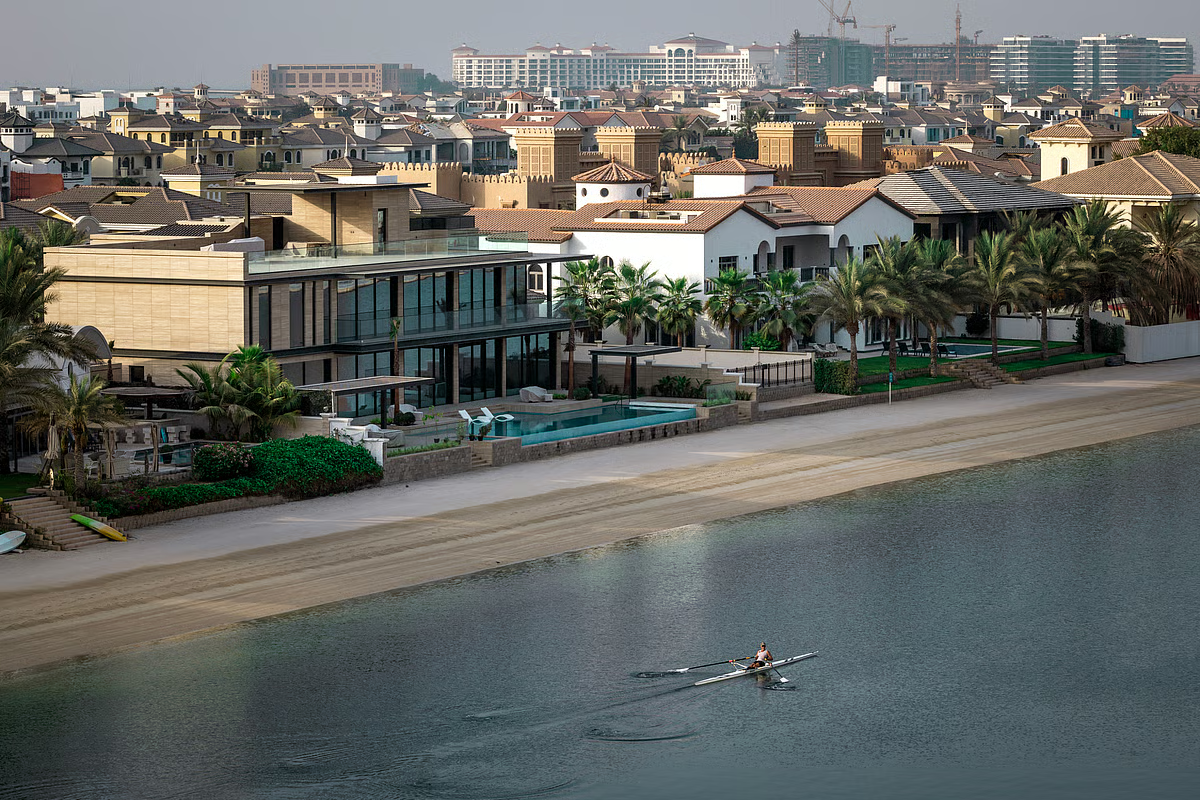
Villas remain the strongest-performing asset class in the luxury segment. In Palm Jumeirah, average villa prices climbed 7% to AED 2,750 per square foot by late 2024. Limited supply in this iconic waterfront destination has pushed price growth in prime neighborhoods to 15%-25%.
Palm Jumeirah continues to lead the ultra-luxury segment. Average villa prices reached AED 45.18 million, up 25.8% year on year. Price per square foot rose by 13.4%. Four-bedroom villas appreciated by 24.4%, while ultra-luxury six-bedroom units recorded an 11.6% rise in 2024.
The island also accounted for 127 ultra-luxury transactions above AED 10 million, representing 29% of total high-value deals and generating approximately USD 2.3 billion in sales. These numbers clearly shape the direction of Dubai Luxury Market Trends.
Across the wider market, villa values surged by 20.2% in 2024, with villas making up 68.5% of all luxury transactions. In the first half of 2025, ultra-luxury villa volumes increased between 10.2% and 33.3%, confirming sustained momentum.
Besides Palm Jumeirah, other high-performing areas include Emirates Hills, District One, and Dubai Hills Estate. These communities offer gated environments, landscaped surroundings, and strong brand recognition.
Buyers in these districts are mainly high-net-worth individuals from Europe, Asia, and the Middle East. Their continued presence is driving rental growth and sales activity in prime freehold zones, where annual price increases have reached 15.8%.
According to analysts monitoring Dubai real estate market trends, the supply of exclusive waterfront villas remains limited. This imbalance between supply and demand is expected to keep upward pressure on prices in the near term.
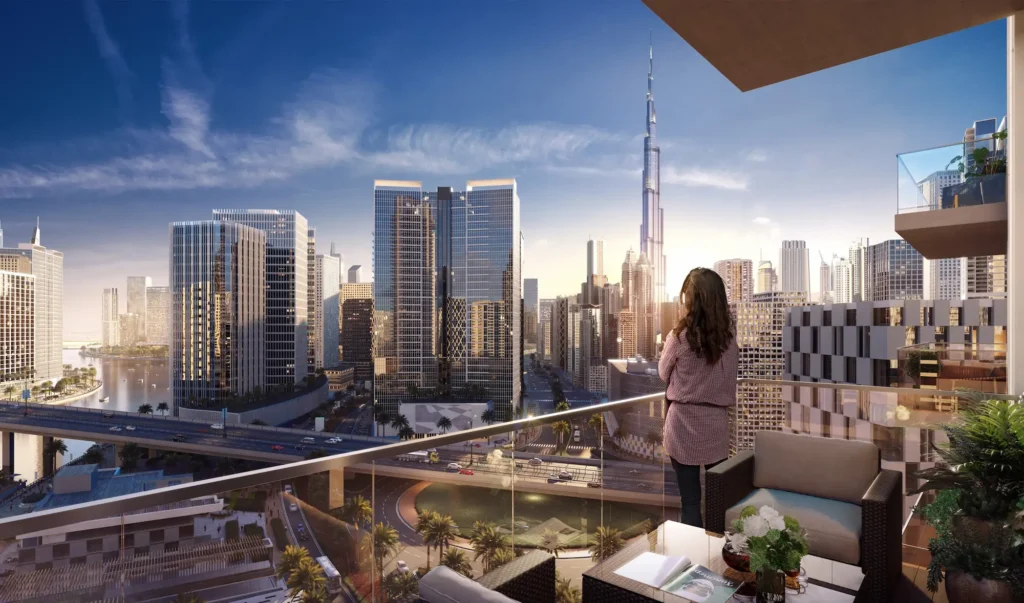
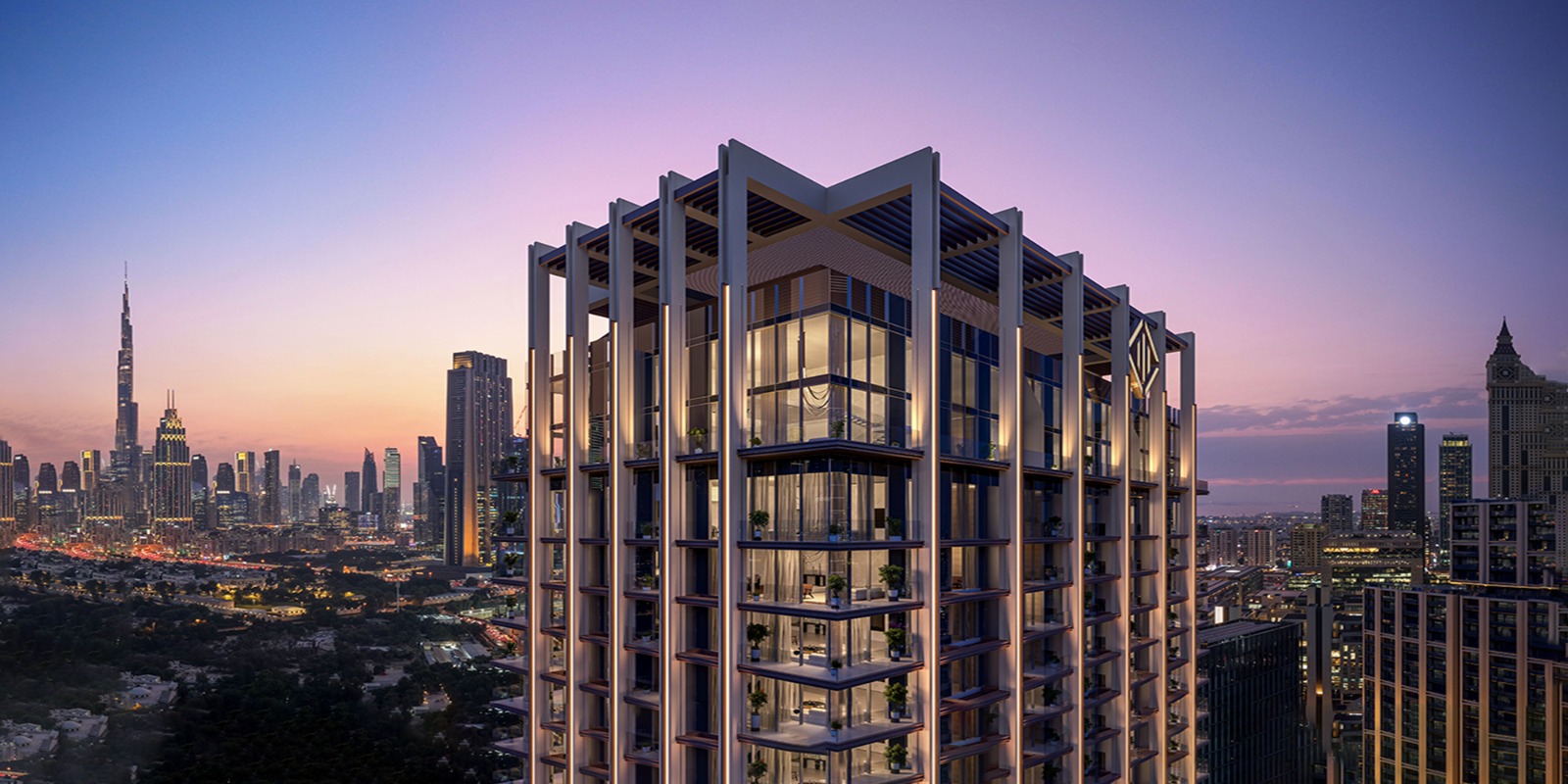
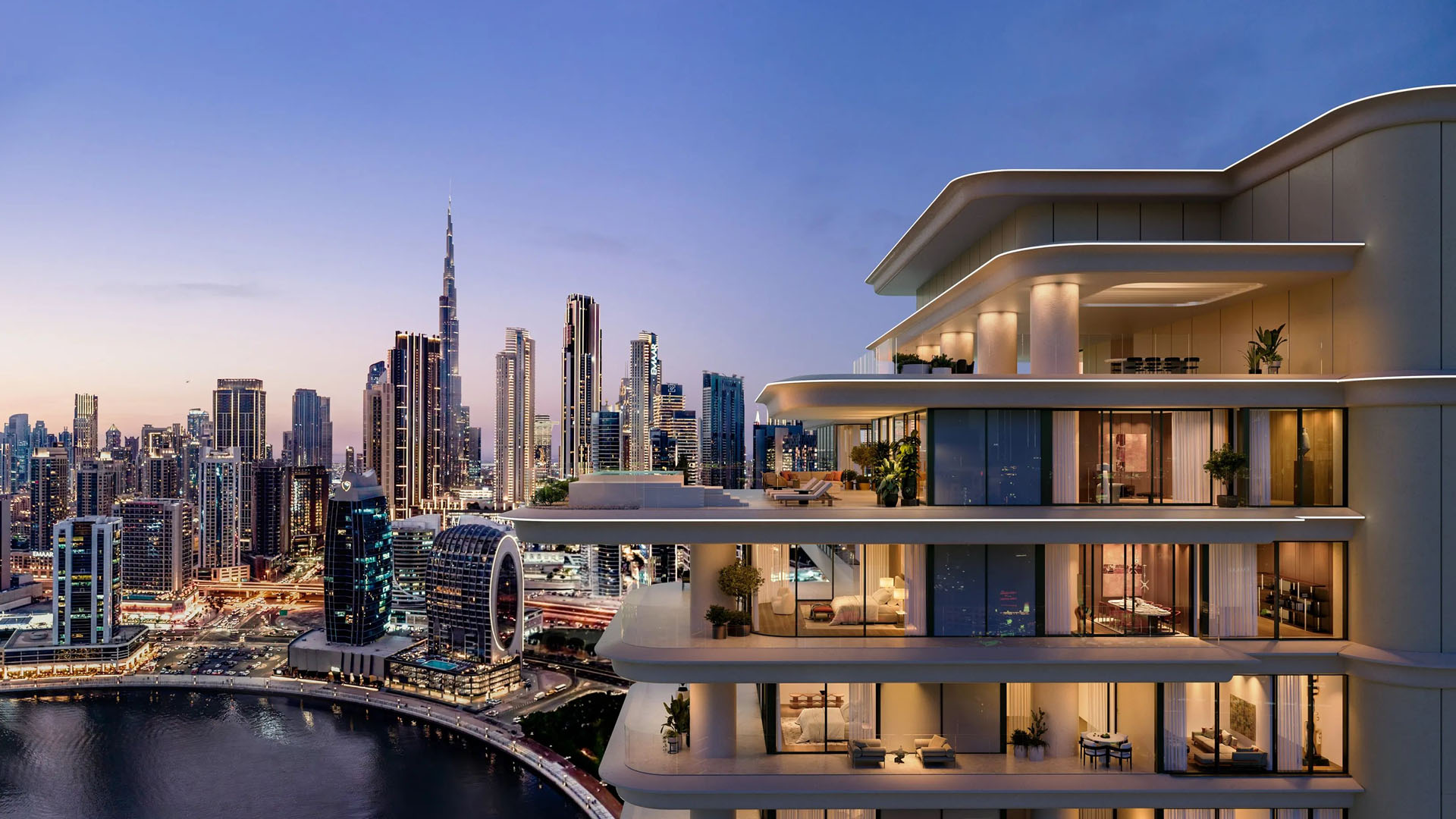
While villas dominate in volume, penthouses are emerging as high-value performers in central districts such as Downtown Dubai and Dubai Marina. Prime branded residences and upper-floor units have seen sustained price growth.
Since 2024, penthouse prices in Downtown Dubai have risen by around 8%. Despite this increase, they remain relatively competitive compared to similar properties in London, New York, or Singapore. This price gap continues to attract foreign investors seeking global exposure at a lower entry point.
In the context of broader UAE real estate market trends, penthouses represent a strategic asset. They offer strong rental yields, skyline views, and direct access to commercial and entertainment hubs.
The website liveriarealty.com reports that the luxury segment, including villas, penthouses, and selected townhouses, has accounted for a significant portion of total transaction value, with penthouses ranking among the top-performing units in the high-value category.
This assessment aligns with current Dubai Luxury Market Trends, in which branded developments and exclusive residences are attracting both end-users and institutional investors.
Market data also indicates that the luxury segment has contributed a substantial share of overall transaction value in recent quarters. Penthouses, in particular, are frequently listed among the most active properties in the premium tier.
One of the defining elements of Dubai Luxury Market Trends is the limited supply of prime villas and branded homes. Demand for waterfront and exclusive properties is outpacing new deliveries.
This supply constraint is expected to support price stability and further growth over the next two years. Developers are responding with new branded projects, but construction timelines mean immediate availability remains tight.
At the same time, investors are beginning to diversify. Areas such as Dubai South and new phases of Jumeirah Village Circle (JVC) are gaining attention. These emerging locations offer relatively lower entry prices while still benefiting from Dubai’s broader infrastructure growth.
Observers of GCC real estate market trends note that Dubai continues to outperform many regional markets due to its transparent regulations, tax advantages, and strong global connectivity.
Conclusion
Current projections suggest that high demand from international buyers will continue to support both sales and rental growth. High-net-worth individuals are expected to remain active, particularly in branded and waterfront projects.
According to the latest UAE real estate market report, demand for exclusive properties is likely to exceed supply in the short term. This imbalance should help maintain elevated price levels across prime communities.
As Dubai Luxury Market Trends evolve, villas and penthouses are set to remain at the forefront of the emirate’s luxury property expansion. Strong capital appreciation, global investor confidence, and limited prime inventory continue to define the market’s direction.