

Affordable Housing has become a central pillar of urban policy across the United Arab Emirates as cities respond to sustained population growth, labour-market expansion, and long-term development strategies. Between 2025 and 2026, federal and emirate-level authorities are accelerating housing supply through targeted projects, financing reforms, and land allocation policies. These moves are now shaping the tone of UAE property news, positioning the housing sector as both a social stabiliser and a strategic economic asset.
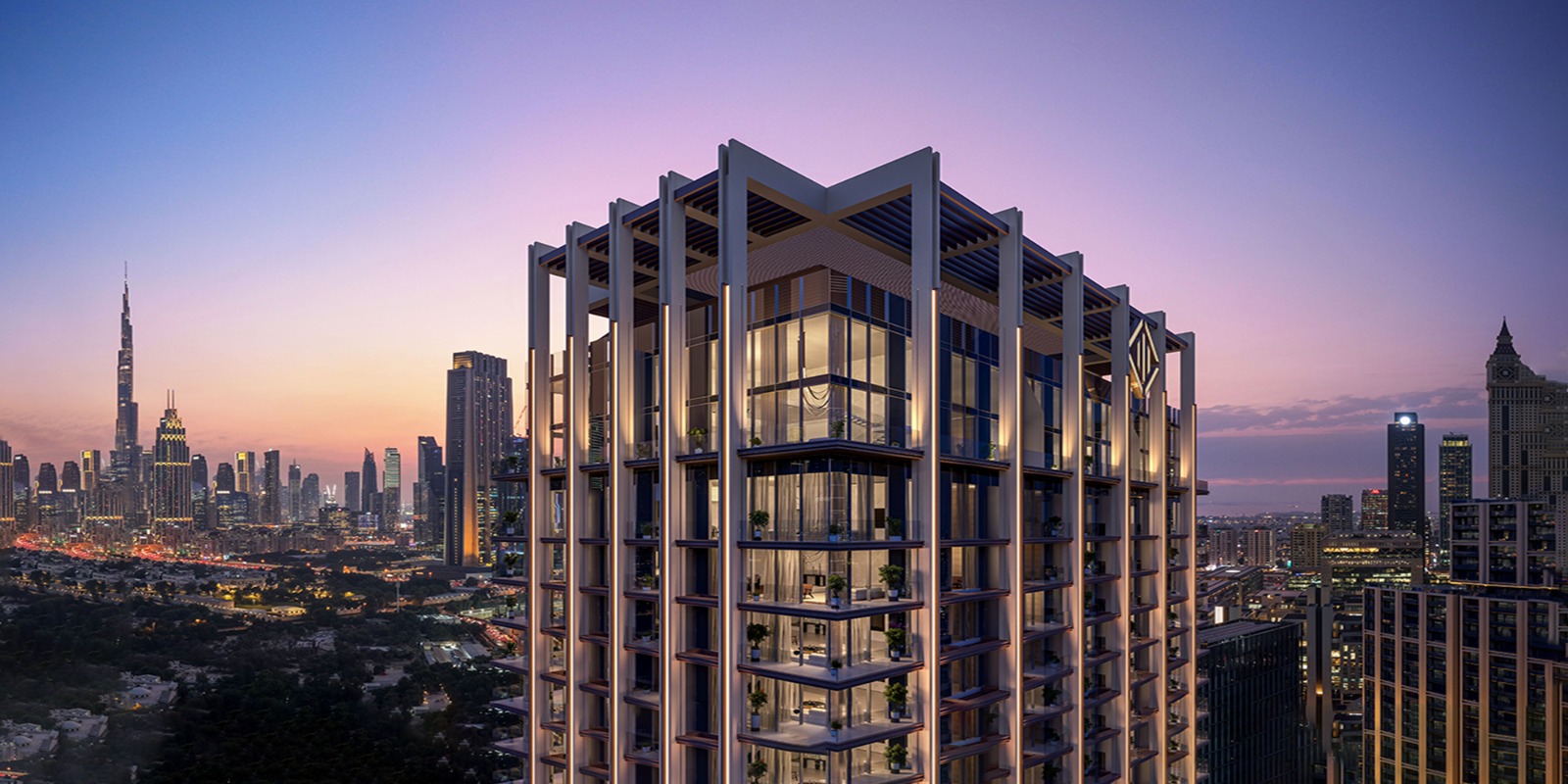
Dubai’s 2025–2026 housing agenda signals a clear shift toward regulated, income-sensitive residential supply. Under a government-approved programme targeting skilled professionals, more than 17,000 new homes are being rolled out across multiple districts, including Al Mueisim, Al Twar, and Al Qusais Industrial areas. This phase of Affordable Housing development aligns closely with the Dubai 2040 Urban Master Plan, reinforcing decentralised urban growth and improved liveability.
According to UAE Real Estate news, mid-market communities such as DAMAC Hills 2 continue to attract attentiondue to controlled rental levels and integrated amenities, with studio units maintaining comparatively stable pricing. New public-private partnerships involving major developers are also expected to launch additional projects in 2026, particularly in emerging residential zones.
reported by GulfConstructionOnline.com.
For further context on tenant protections linked to these developments, readers may refer to the internal analysis on:
Dubai Eviction Rules Clarified: Legal Grounds for Removing Tenants Over Unpaid Rent.
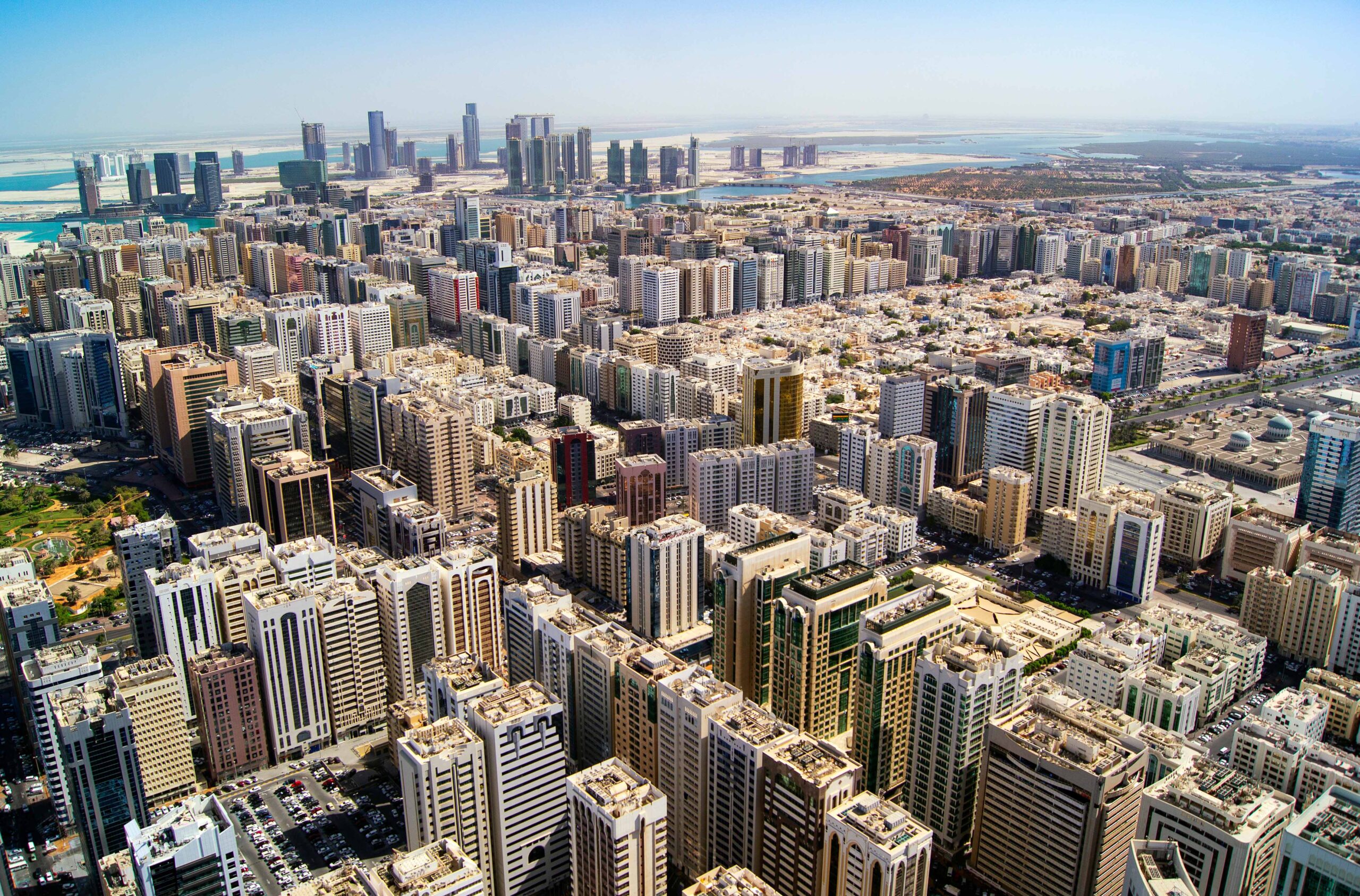
Abu Dhabi’s approach prioritizes scale and financial accessibility. With more than 40,000 residential units and land plots under development as part of an AED 106 billion investment framework, the emirate is reinforcing its Value Housing Programme while expanding loan repayment periods of up to 30 years. This second significant wave of Affordable Housing supply is designed to support citizens and long-term residents amid rising construction and land costs.
In parallel, federal housing benefits and community-support subsidies are enhancing affordability beyond unit pricing alone. These measures are frequently highlighted in UAE real estate market trends reports, particularly as Abu Dhabi works to formalise shared-use housing and reduce unregulated accommodation.
Sharjah and Ajman are emerging as high-interest locations for affordable residential investment. Rental yields exceeding 7% in select districts are drawing regional investors monitoring broader GCC real estate market trends. Sharjah’s allocation of land for thousands of new housing plots signals a supply-led strategy focused on accessibility rather than speculative growth.
This third phase of Affordable Housing expansion supports balanced regional development, easing pressure on Dubai and Abu Dhabi while offering lower-cost alternatives within commuting distance of major employment hubs.
Before reviewing the comparative snapshot below, it is essential to note that these figures illustrate policy direction rather than short-term market volatility. The table helps clarify how each emirate is positioning itself within the national housing framework.
| Emirate / Area | Key Developments (2025–2026) | Strategic Focus |
| Dubai | 17,000+ workforce homes, Bayti initiative, DAMAC Hills 2 | Skilled professionals, rental stability |
| Abu Dhabi | 40,000+ units, extended loans, value housing | Citizen support, long-term affordability |
| Sharjah & Ajman | Land grants, high rental yields | Accessibility, regional balance |
Targeted social housing remains a critical component of the national strategy. Dubai’s Bayti initiative continues to deliver dedicated units annually to low-income Emiratis, while Abu Dhabi has increased the number of regulated shared-use housing units to address overcrowding concerns. These policies frequently appear in discussions of Dubai real estate market trends, particularly where housing supply intersects with labour standards and urban compliance.
More detailed updates on these initiatives can be followed through the site’s UAE property news section, which tracks regulatory and development-level changes across emirates.
Conclusion
Affordable Housing is no longer a peripheral topic within the UAE’s development narrative; in fact, it is now a defining indicator of policy coordination, social resilience, and market maturity. As outlined in the latest UAE real estate market report, the combined efforts of Dubai, Abu Dhabi, and the Northern Emirates between 2025 and 2026 reflect a structured, forward-looking response to demographic and economic realities, setting a measurable benchmark for future urban growth.