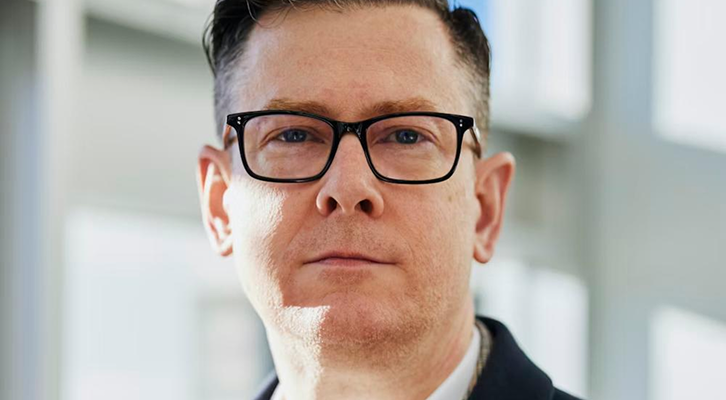



In this piece, we sat down with Saman Faegh, a dedicated real estate researcher, PropTech scholar, and startup founder. Our conversation explored his insights on the sector’s evolution and impact.
Can you introduce yourself and share what drew you to real estate research and the PropTech sector in the UAE?
As an immigrant, my fascination with real estate studies and PropTech startups began with a sociological and social perspective. Housing and shelter, as one of the primary needs for every individual, can be incredibly challenging for immigrants arriving in a new country with no network. Exploring how digital tools and PropTech startups can help expats overcome this major hurdle evolved into a structured research focus on real estate in investor-friendly countries and PropTech innovations there. This personal journey started in Turkey, solidified in Northern Cyprus, and has now become a full-time serious pursuit in the UAE.
How has the PropTech landscape evolved in the UAE over recent years, and what key market gaps prompted the rise of startups in this space?
Before any flattery or empty promotional talk, the UAE’s innovation and startup ecosystems owe a profound debt to the forward-thinking vision of its rulers, positioning the country as one of a best global leaders, and PropTech startups are no exception.
The UAE’s Vision 2030 emphasizes population growth, with real estate and housing as critical infrastructure to achieve this macro goal. Various market segments demand rapid development, as evident in the ongoing expansion of Dubai and other cities. PropTech startups span awareness and advertising, property showcasing, financing, and streamlining buying, selling, or renting, all thriving in a dynamic, growing market with at least a 20-year roadmap. Historical adherence to such plans over the past two decades signals a stable, expanding future, the dream of every founder and investor. Real estate constitutes approximately 7-8% of the UAE’s GDP, yet sustained development remains the key driver behind the surge of property-focused startups.
How are PropTech startups transforming property sales processes globally and, in the UAE, from lead generation and pricing transparency to closing deals faster?
Migration trends to the UAE, driven by economic and tax advantages, have made it the world’s top destination for billionaire and millionaire relocations, nearly double the second-ranked country. Each billionaire influx creates thousands of direct and indirect jobs. This migration, from high-net-worth individuals to regular employees, requires extensive research and action before arrival: visa processes, schooling, lifestyle fit, and housing. PropTech startups simplify this by aggregating data, offering personalized recommendations, virtual tours, and seamless financing options, turning complex moves into efficient experiences that accelerate deals.
In what ways are PropTech innovations reshaping construction workflows in markets like the UAE and GCC, such as through predictive analytics, supply chain optimization, or cost management?
PropTech startups now analyze search trends and demand patterns, comparing inquiry volumes against signed contracts to pinpoint reluctance factors in buying or renting. This yields comprehensive guides for builders: constructing not just to market trends but tailoring quality to demand in competitive landscapes. Ultimately, PropTech injects unprecedented transparency into real estate, creating an unwritten mandate for developers to build better, smarter, and more aligned with buyer needs.
Overall, how do PropTech startups influence real estate markets in the UAE and internationally, such as by boosting liquidity, improving buyer experiences, or driving efficiency?
PropTech startups enhance liquidity by enabling faster transactions through digital marketplaces and instant valuations, while personalized buyer journeys via AI matchmaking and VR previews build trust and reduce friction. Internationally, they drive efficiency by democratizing data access, cutting intermediary costs by up to 30% in mature markets like the US and Europe. In the UAE, this amplifies a high-velocity market, fostering inclusivity for expats and locals alike.
Looking ahead, how might PropTech shape future trends like sustainable development or tokenized assets in Dubai and similar markets?
PropTech will accelerate sustainable development via IoT-integrated green certifications and carbon-tracking platforms, optimizing energy use in new builds. Tokenized assets, already piloted on blockchain in Dubai, will fractionalize ownership, unlocking liquidity for mid-tier investors and enabling global micro-investments in prime properties, potentially growing the tokenized market to $10 trillion worldwide by 2030.